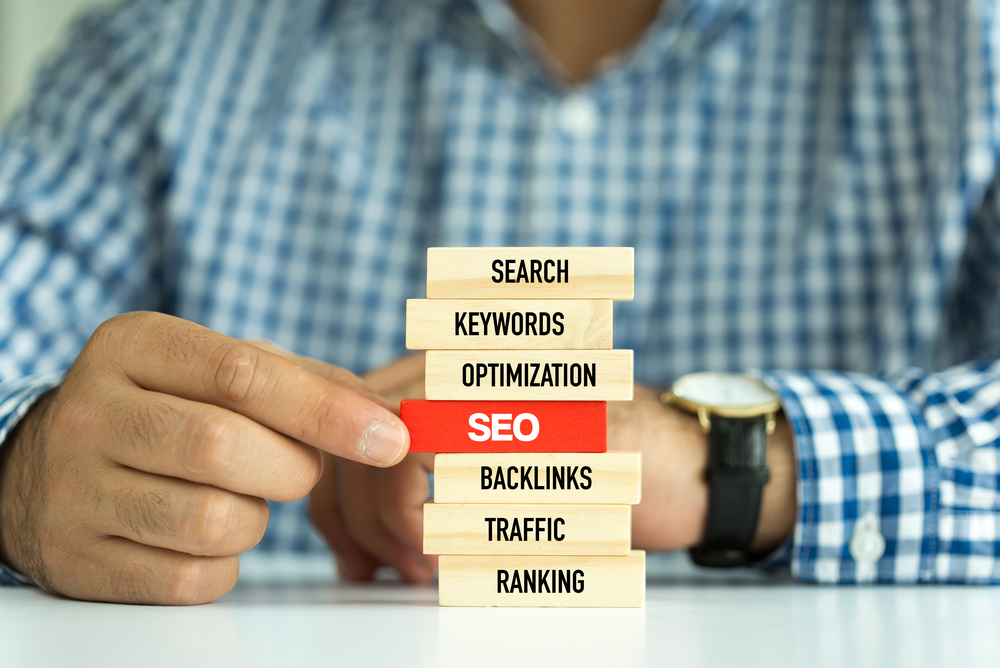
When it comes to improving your website's search engine optimization (SEO), link building is a key strategy that should not be overlooked. By obtaining high-quality backlinks to your site, you can signal to search engines that your website is trustworthy and authoritative. In this article, we will delve into expert tips and tricks for link building to help unlock SEO (search engine optimization) success for your website.
The Power of Link Building
Link building is the process of acquiring hyperlinks from external websites to your own. Each of these backlinks acts as a vote of confidence for your website, telling search engines that other sites trust your content and consider it valuable. Consequently, search engines are more likely to rank your website higher in search results, resulting in increased organic traffic and potential customers.
Not all backlinks are created equal, though. Search engines value quality over quantity, which means that obtaining links from reputable and relevant websites is crucial. So, what can you do to ensure your link building efforts lead to SEO/SEM success?
1. Create High-Quality Content
The foundation of any successful link building strategy is having valuable and engaging content on your website. When you consistently publish high-quality content that offers unique insights, readers are more likely to share and link to it. This leads to the natural acquisition of quality backlinks, as other websites recognize the value you provide.
As you craft your content, keep in mind that relevance is key. Focus on creating articles, blog posts, or guides that are directly related to your industry or niche. By doing so, you increase the chances of attracting links from authoritative websites within your field.
2. Build Relationships with Influencers
Networking and building relationships with influencers in your industry can significantly boost your link building efforts. By connecting with influential bloggers, journalists, or other content creators, you increase the likelihood of them linking to your website in their articles or sharing your content with their audience.
One way to start building relationships is by reaching out to influencers and complimenting their work. Share their articles, comment on their blog posts, and engage with them on social media platforms. Over time, as you develop a genuine connection, they may be more willing to collaborate or provide backlinks to your site.
3. Guest Blogging
Guest blogging is a mutually beneficial practice for both the website owner and the guest blogger. By writing informative and relevant articles for reputable websites in your industry, you can obtain backlinks while enhancing your online reputation and visibility.
When guest blogging, be sure to offer high-quality content that adds value to the target website's audience. Focus on providing insights, tips, or thought-provoking ideas. In the author bio or within the article itself, include a link back to your website to drive traffic and improve your SEO (or SEM) efforts.
4. Utilize Social Media
While social media backlinks may not directly impact your website's SEM/SEO , they can play a crucial role in increasing your online visibility and driving traffic. By sharing your content on platforms like Facebook, Twitter, LinkedIn, and Instagram, you have the potential to reach a broader audience and attract attention from influencers or industry insiders.
When using social media for link building, it's essential to optimize your posts with relevant keywords and hashtags. This helps search engines index your content and makes it easier for users to discover and share your links.
5. Monitor and Disavow Toxic Links
In the world of SEO , not all links are beneficial. In fact, toxic or spammy backlinks can harm your website's ranking and reputation. It's crucial to regularly monitor your backlink profile and identify any toxic links that may be pointing to your site.
Tools like Google Search Console can help you identify and analyze your backlinks. Once you discover toxic links, it's crucial to disavow them to ensure they don't negatively impact your SEO efforts. By disavowing toxic links, you inform search engines that you do not want them to consider those links when evaluating your website's authority.
Frequently Asked Questions
1. What is the importance of link building in SEO?
Link building is crucial in SEO as it helps search engines determine the credibility and relevance of your website. Quality backlinks act as votes of confidence, indicating that others find your content valuable. This, in turn, improves your website's ranking and increases organic traffic.
2. How can I ensure link building success?
To achieve link building success, focus on creating high-quality content that is relevant to your industry or niche. Build relationships with influencers, engage in guest blogging opportunities, leverage social media, and monitor and disavow toxic links.
3. Are all backlinks equally valuable?
No, not all backlinks are equally valuable. Quality is more important than quantity when it comes to backlinks. It's better to have a few high-quality backlinks from reputable and relevant websites than numerous low-quality backlinks from spammy sites.
4. Should I prioritize link building or content creation?
Link building and content creation go hand in hand. While link building helps improve your website's SEO, valuable content is the foundation for attracting quality backlinks. Creating engaging content should always be a priority, as it provides the basis on which other websites will link to your site.
5. How long does it take to see the results of link building?
Link building is a long-term strategy, and it takes time to see significant results. Building relationships, creating quality content, and obtaining backlinks require ongoing efforts. While you may see some improvements in your SEO relatively quickly, it generally takes several months to notice significant changes in your website's ranking.
In conclusion, implementing effective link building strategies is essential for unlocking SEO success. By creating high-quality content, building relationships with influencers, engaging in guest blogging opportunities, utilizing social media, and monitoring toxic links, you can improve your website's visibility, credibility, and organic traffic. Remember, link building is a long-term process that requires continuous effort and adaptation to keep up with the ever-evolving world of SEO.
Other useful resources
- https://en.wikipedia.org/wiki/Search_engine_marketing
- https://www.seoguru24.com/directory/
- https://simple.wikipedia.org/wiki/Search_engine_optimization